
The life behind the build
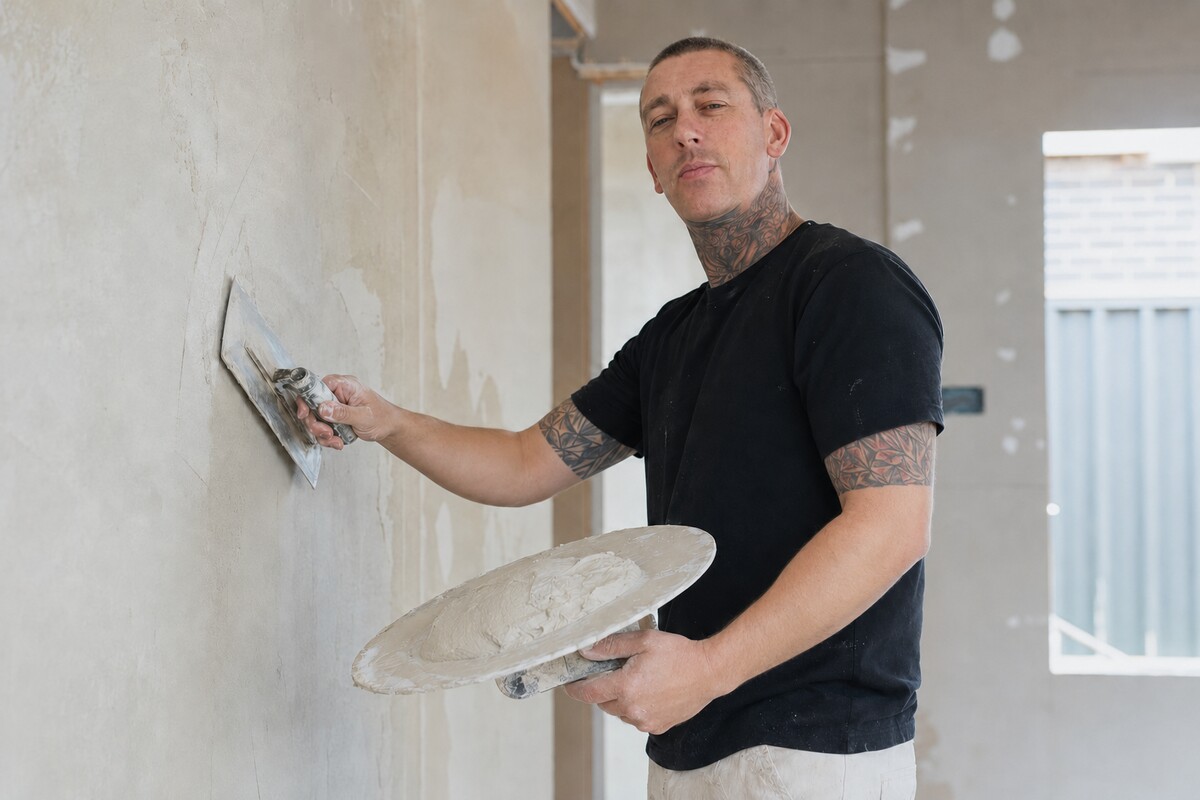
Most mornings begin before sunrise. I run a small plastering company and lead a three-man team, working predominantly for private homeowners.
I enjoy working directly with the people who will live with the result. Their home matters to them. The preparation, the detail and the care you put into a job become part of their everyday surroundings.
The trade has taught me to listen, understand what is needed, prepare properly and take responsibility for the work. When something is wrong, you go back and put it right.
Those habits shape how I approach KYREC.
At home, I am a husband and a father. There are people who need my time and attention, and a life happening beyond whatever I am trying to build. My family gives this work its purpose. The ordinary moments with them are what I want technology to help protect.
The work families carry
There is a lot involved in keeping a family going that nobody really sees.
Remembering the school message. Working out who can do pickup. Keeping track of bills, appointments and the things you promised to come back to. Running a business while trying to leave enough of yourself for the people at home.
Much of that work is remembering, checking, organising and trying to keep everyone informed. It takes time and energy, even when each individual task seems small.
That is the part of life I keep coming back to when I build KYREC. How much of that load could technology help us carry? What would useful support actually look like in an ordinary household?
Sometimes it might be simple: bring an important message to the surface, notice two plans clash or help someone understand their options. Sometimes the most useful thing it could do is encourage a conversation with the person who matters.
That last part is important to me. I want KYREC to help people become more capable and more connected. A family should always have the choice, the understanding and the final say.

Learning to build it
I had no software background when I started.
After work, I began teaching myself AI, software, APIs, servers and hardware. I opened my laptop, asked questions, tried things, broke things and worked through the problems. There were small wins, frustrating setbacks and plenty of nights spent figuring out why something would not work.
The more I learnt, the more clearly I could see what I wanted to build.
There were already plenty of tools for individual tasks. What interested me was how those tasks connected: a work commitment affecting school pickup, a household budget affecting family plans, or an important message getting lost among dozens of others.
I began thinking about a system that could understand useful connections—with permission—and help people decide what to do next.
I am still learning. There are things I get wrong, things I rebuild and questions I have not answered yet. Building KYREC has shown me how much a person can take on when they have a reason to keep going, and how important it is to check the work along the way.
Persistence gets the work started. Careful testing and honest feedback have to help make it dependable.
How the pieces came together
The idea gradually grew into a connected family ecosystem.
Family Guardian became the app through which families could access practical support for routines, chosen safety tools and shared moments.
The companions gave different kinds of support familiar faces and clear purposes. Stan, Nova, Moneybags, Pulse and Scout each have a place in the wider vision. Their identities help make the technology more approachable and give people a clearer sense of where to turn.
KYREC Core is being built as the shared intelligence beneath those experiences. Its purpose is to connect approved information, recognise useful patterns and support decisions within the boundaries a family chooses.
Stan Orbit and Nova Rover extend that vision into physical products that could eventually bring the same support beyond the phone and into the home.
Each part has to earn its place by being useful. The value is in how well it helps someone in real life.
What I want KYREC to stand for
Human connection comes first.
Technology should give people more room to be present with one another. It should support judgement, learning and communication, and help people feel more capable in their own lives.
Privacy and control belong in that purpose from the beginning. Families should understand what information is being used, why it is needed and who can access it. They should be able to change their minds.
Trust also depends on how the technology behaves when something is uncertain. A helpful system needs to recognise its limits, explain them clearly and leave important decisions with people.
That is the standard I want KYREC to be measured against: does it provide useful support while respecting the people using it?

Building around real life
KYREC has grown around the life I already had.
There are early starts, full working days, family responsibilities and hours spent learning and building afterwards. Some nights bring visible progress. Others are spent fixing something that looked finished the night before.
I want the result of this work to create more time and freedom for my family. That means remembering why I started while I am in the middle of building it.
The same applies to the families KYREC may serve. Their lives are already busy. Anything we ask them to learn, set up or use needs to justify the effort.
Useful technology should make everyday life easier to manage.
What success would mean
For me, success would mean building a sustainable business that gives my family more freedom and creates something other families genuinely value.
It would mean someone finding an important message before it becomes a problem. A family spotting a clash in their plans early enough to work it out together. A parent feeling better informed. Someone understanding their choices and feeling confident enough to take the next step.
Those are the kinds of outcomes I want the work to lead towards.
As KYREC grows, I want its ability to help to grow with it. Our future plans include community sponsorships and practical support for families in need, shaped by real needs and what the business can responsibly sustain.
Growth should give us the means to do useful work well and extend that benefit to more people.
Where we are now
KYREC is being built, tested and refined. Its apps, shared intelligence and physical product concepts are at different stages, and public claims should reflect what has actually been demonstrated.
I want people to be able to follow the work, understand the direction and judge the progress for themselves. Feedback from families and supporters will help shape what comes next.
Why I keep going
I started with the problems I understood: the pressures of working life, the responsibility of raising a family and the effort it takes to stay connected.
Learning the technology gave me a way to begin working on them.
My family is the reason this matters to me. The possibility of building something useful for other families is what gives the idea room to grow.
That is the ambition behind KYREC: less everyday pressure, stronger human connection and technology people remain in control of.